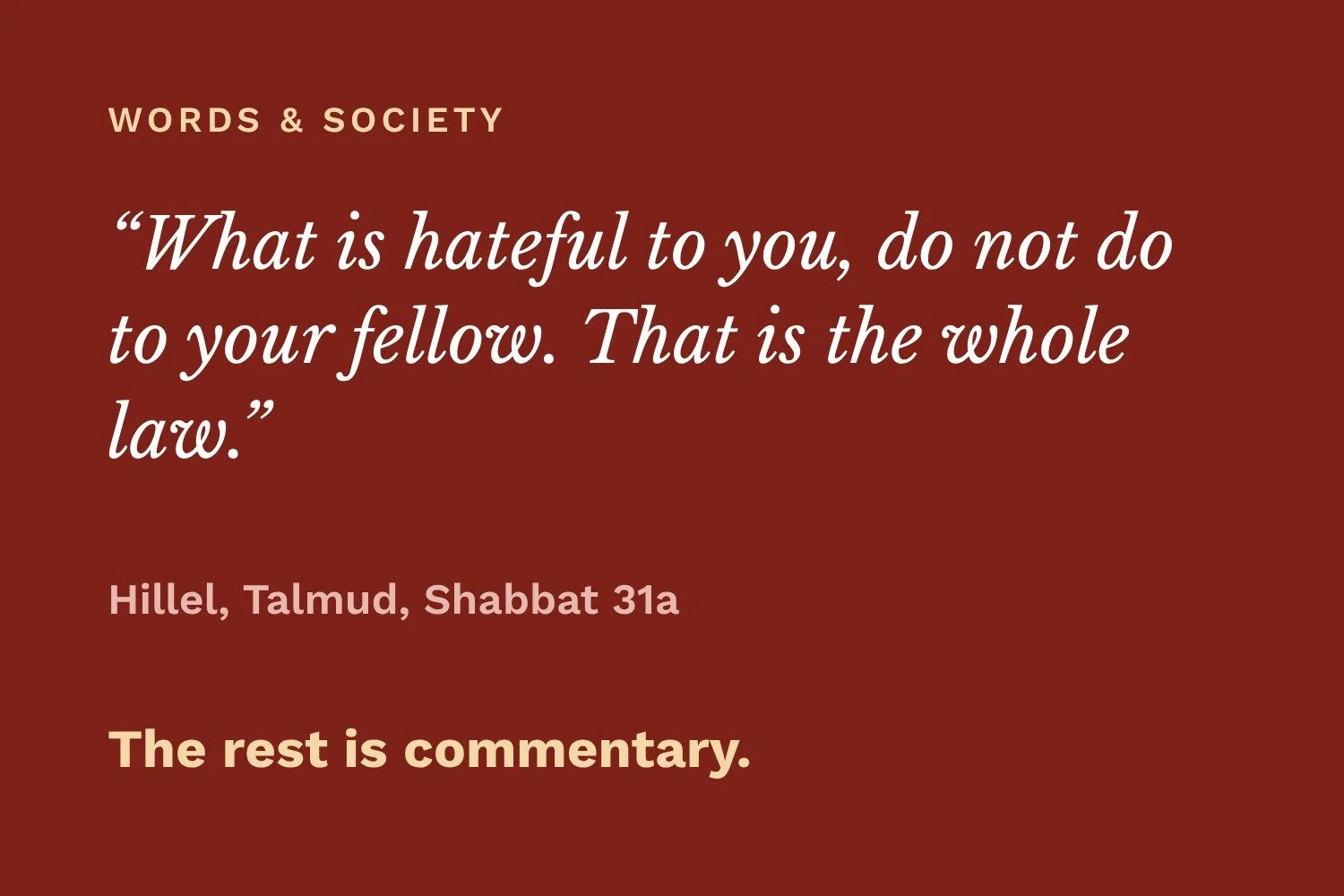
The Whole Law on One Foot
A man once asked the teacher Hillel to explain the whole law while standing on one foot. Hillel managed it in one sentence. Here's why the golden rule beats the Ten Commandments as communication, and what your organisation could learn from it.
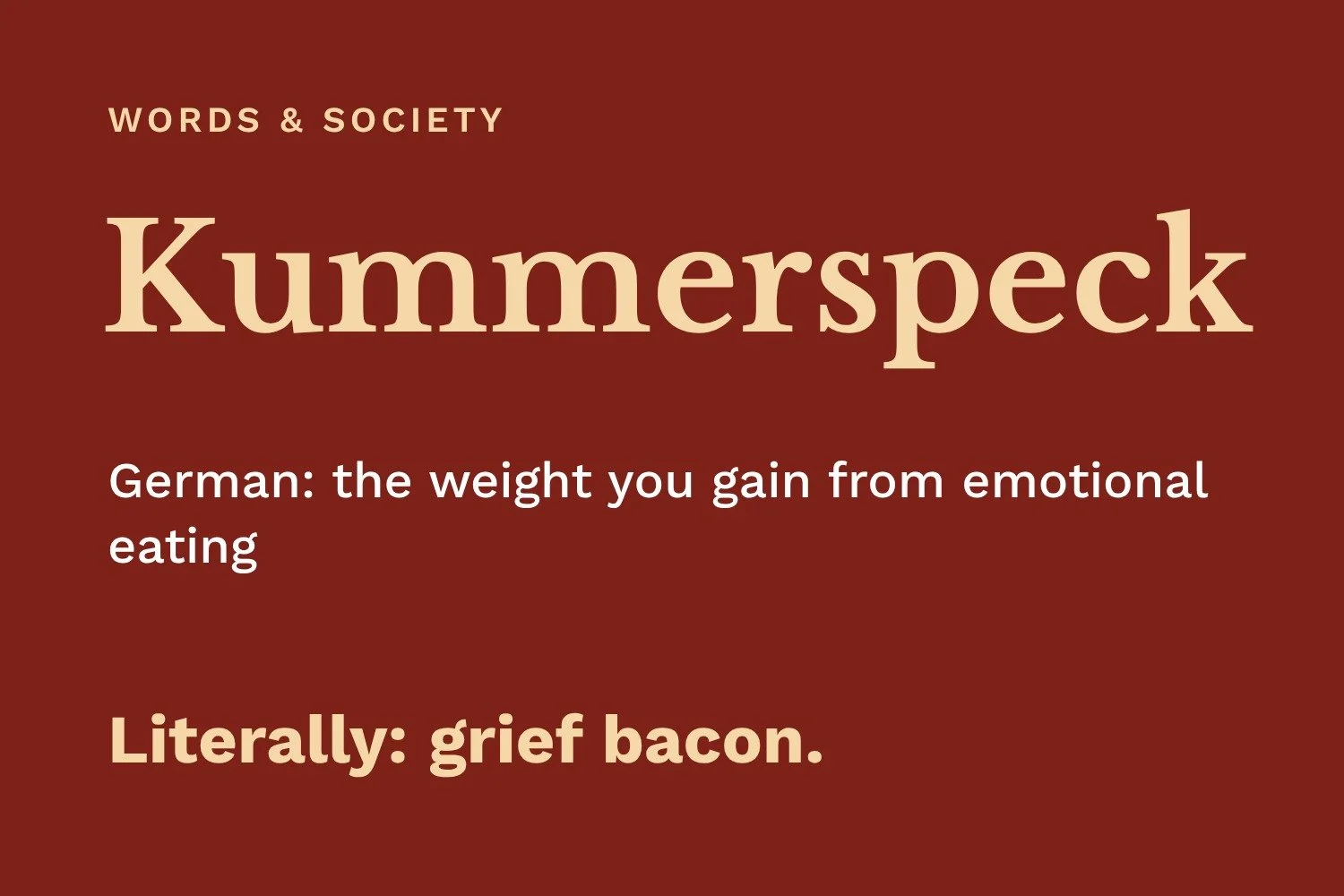
Grief Bacon
German has a word for the weight you gain from emotional eating: Kummerspeck, grief bacon. Some languages don't even have words for yes, no, left or right. Here's why no word means exactly the same thing to everyone, even in your own office.
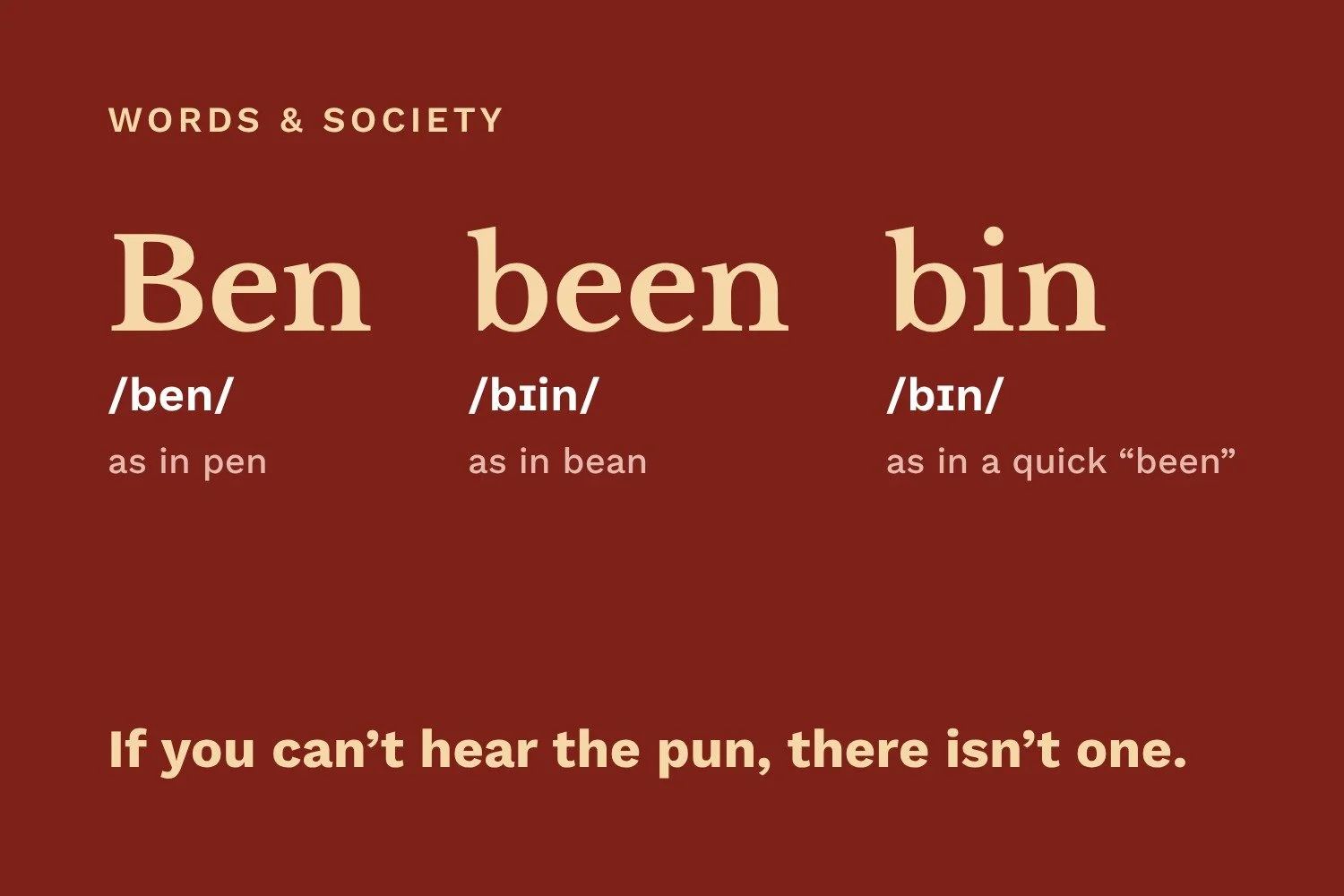
A Pun You Can’t Hear
A political ad writes “BEN there” on screen while the narrator says “been there”. In Australian English those are different vowels, so the pun disappears the moment it’s spoken. Here’s the phonetics, the research, and why messages that only work on the page don’t work.
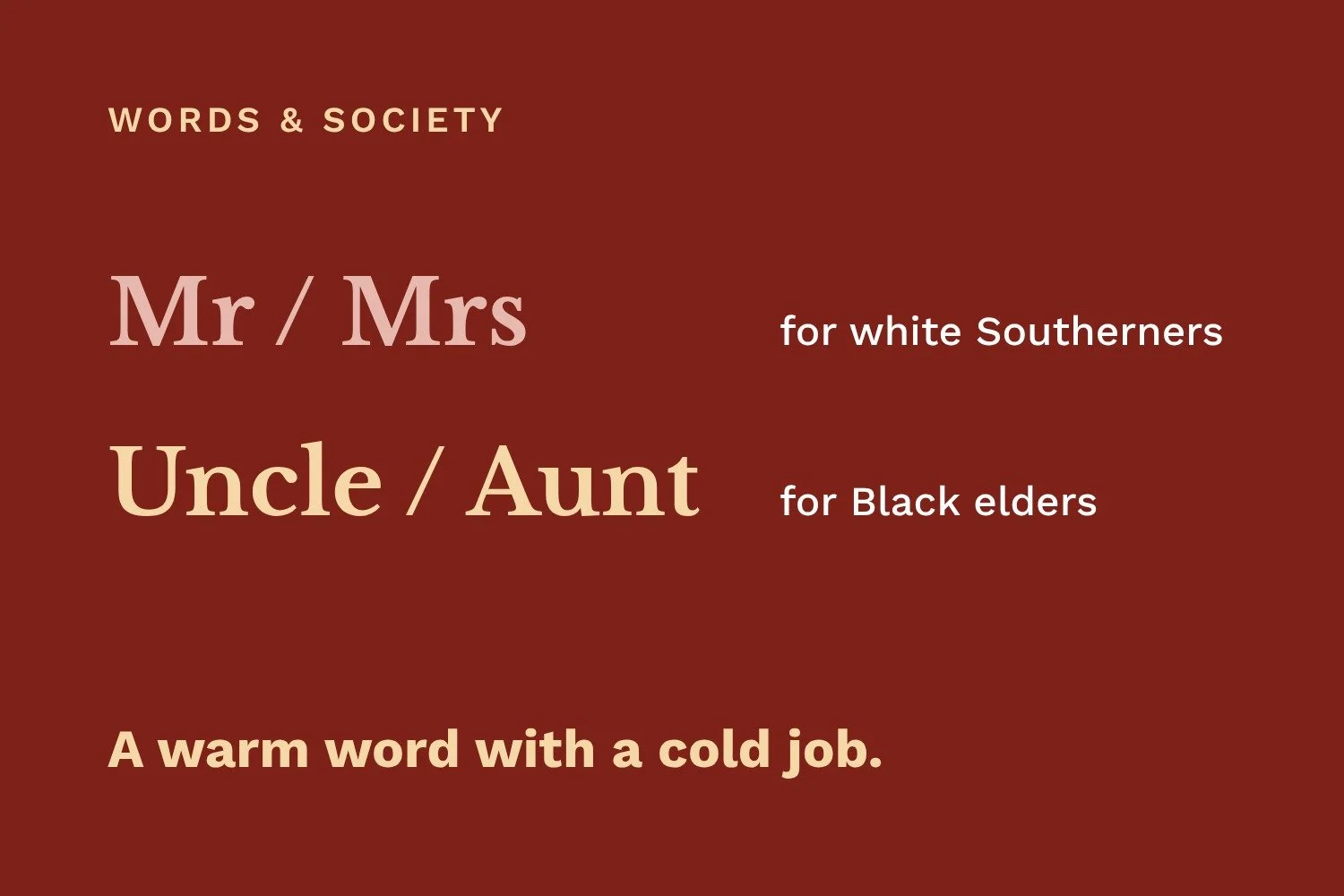
The Title They Wouldn’t Use
“Uncle” sounds like the warmest word in the family. In the American South, it was how white people avoided calling a Black man “Mister”. Here’s why Uncle Ben’s changed its name, and why the same word means the opposite in Australia.
Say It Again
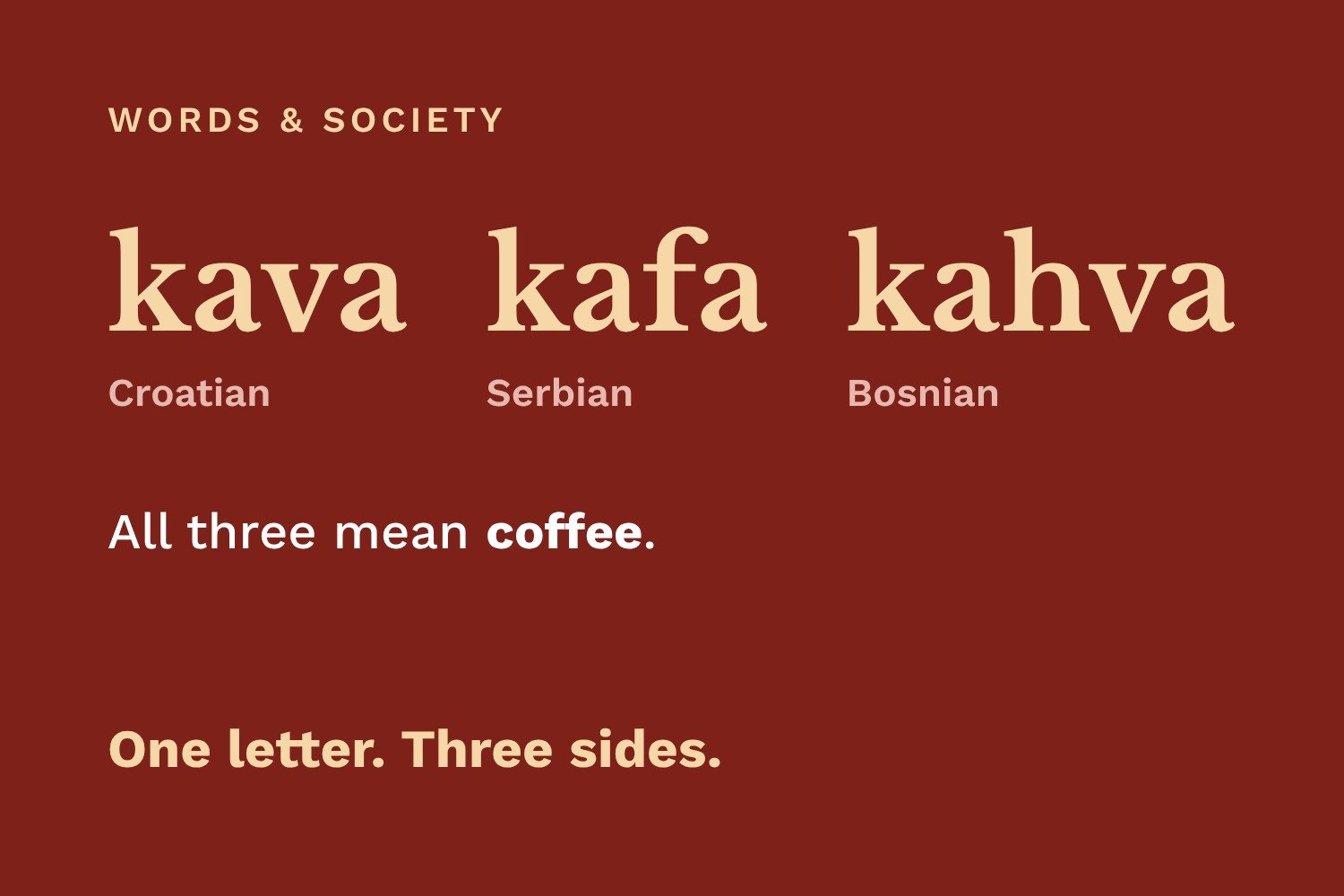
Kava, kafa, kahva. Three words for coffee, one letter apart, and in wartime Bosnia each one told people which side you were on. From the Bible’s shibboleth to the Parsley Massacre, here’s how a single sound can become a border.
The Guest List That Changed a Nation
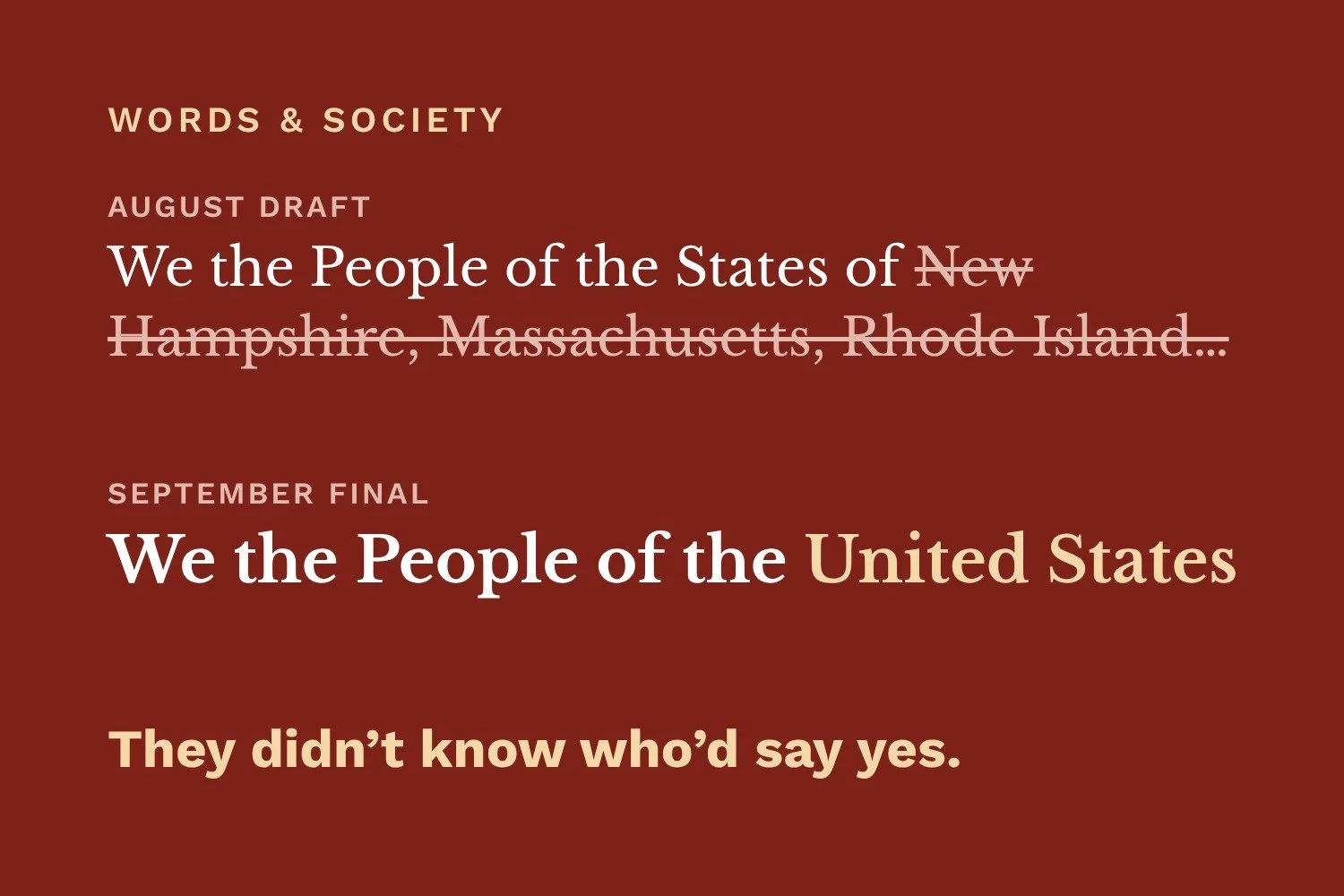
In August 1787, the draft US Constitution opened by naming all thirteen states. By September the list was gone, because nobody knew who’d sign. That change in the first line rewrote who “we” meant.
The Rule You Follow but Were Never Taught
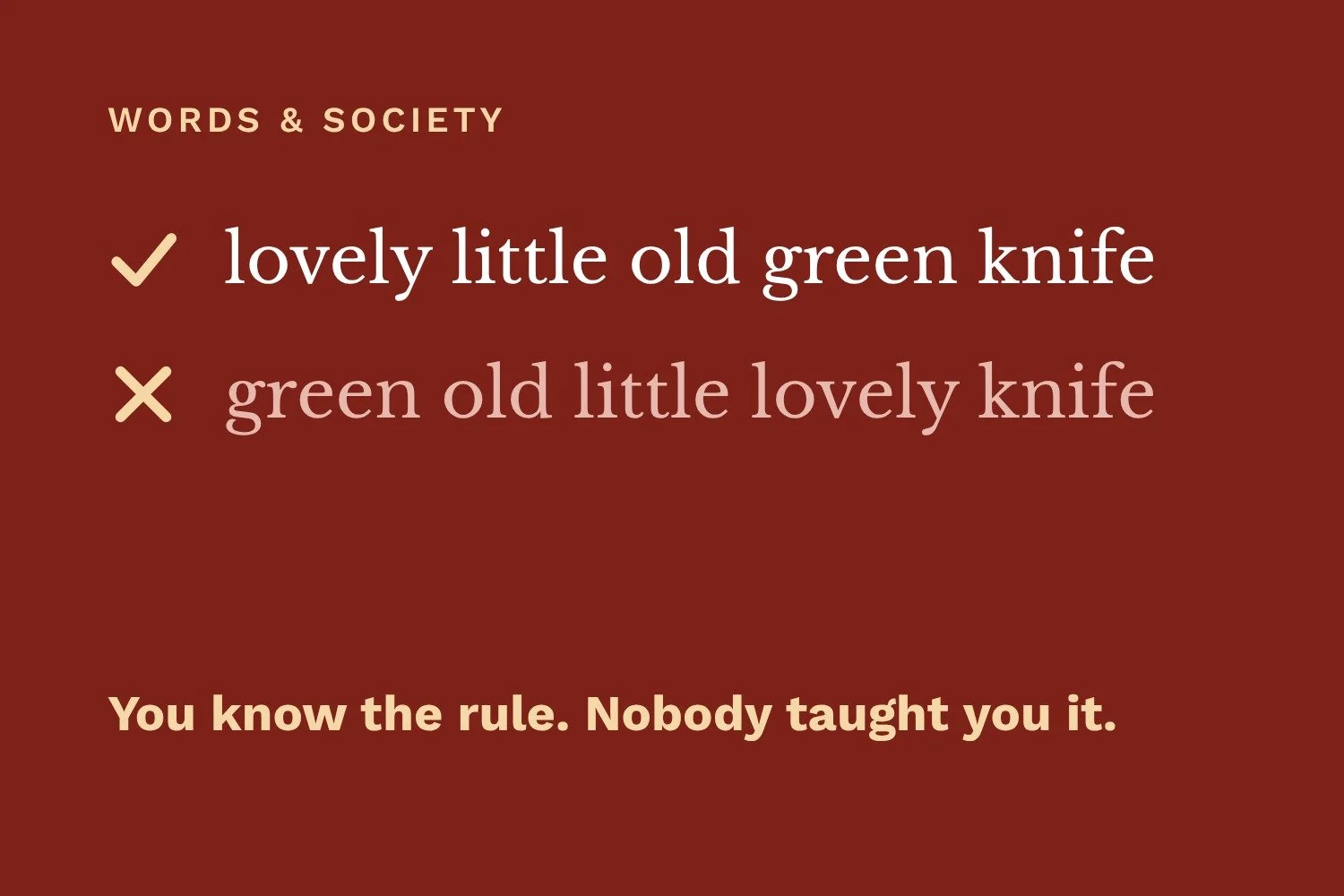
You’d never say “a green old little lovely knife”. You couldn’t explain why. That’s the most interesting thing about it.
The Word That Became Its Own Example
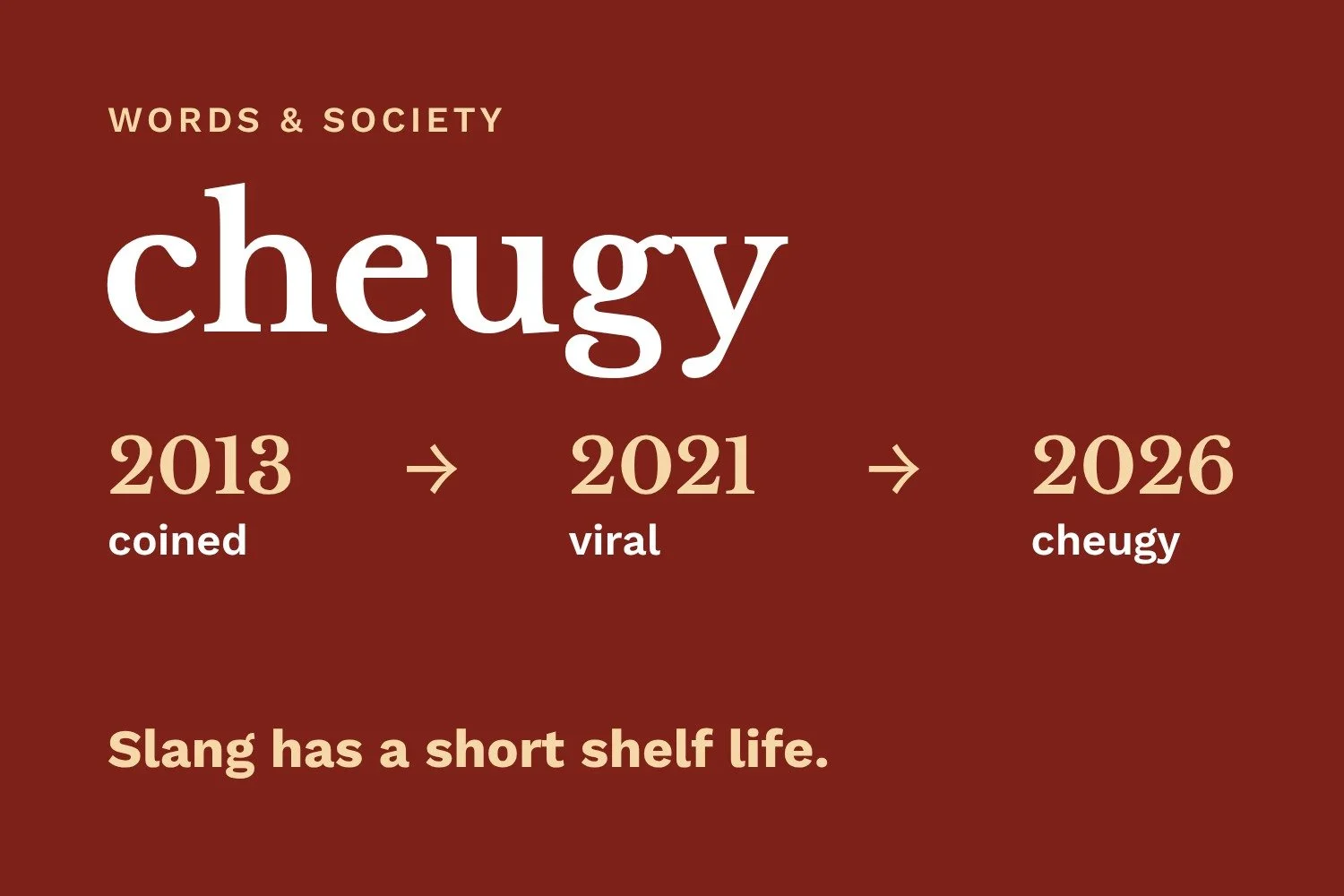
“Cheugy” was the word for things that used to be cool. Then everyone started saying it, and it became the best example of itself.
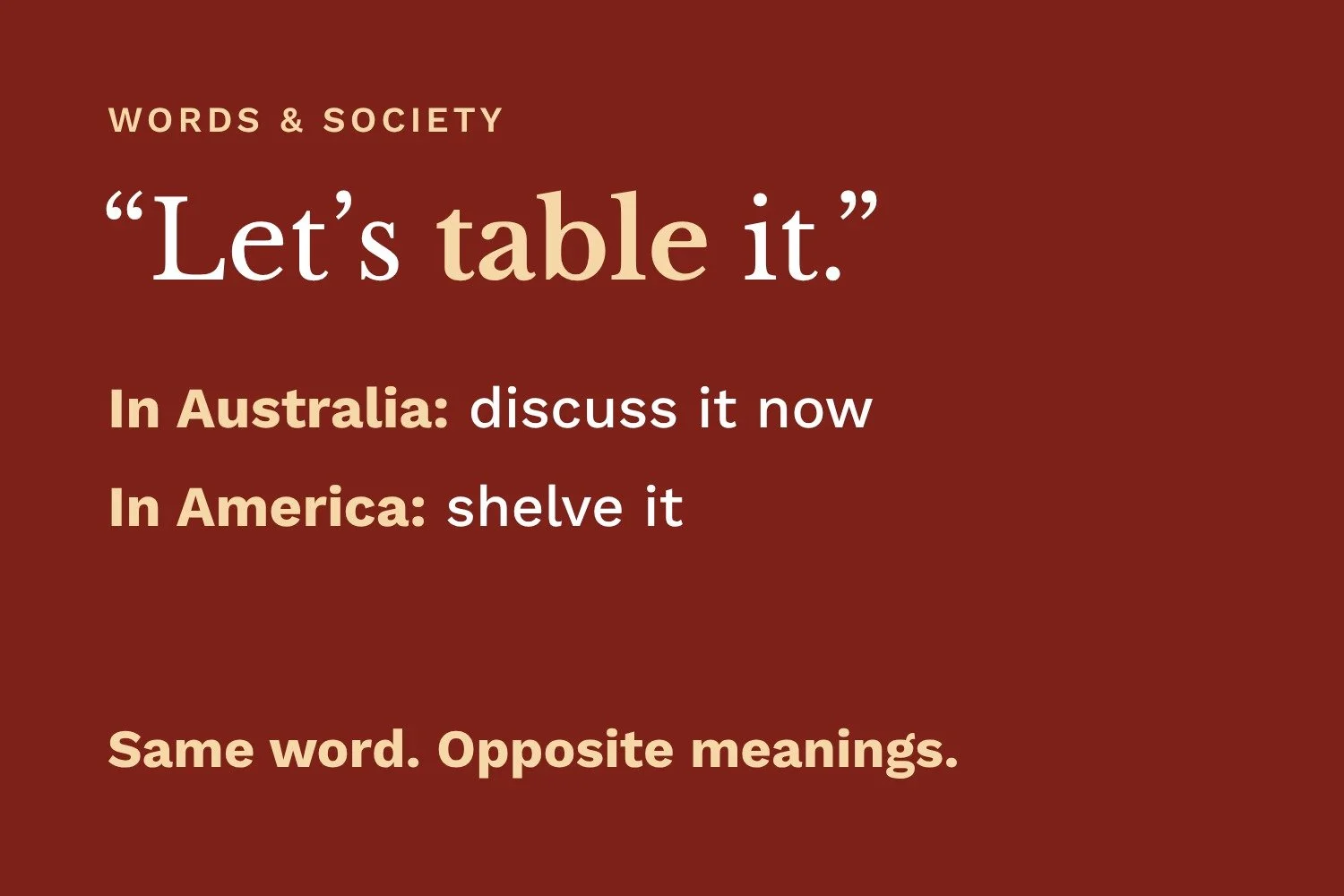
Words That Mean Their Own Opposite
If a British manager tables your proposal, it’s on the agenda. If an American one does, it’s dead. English has dozens of words that mean their own opposite, and some of them are hiding in your board papers.
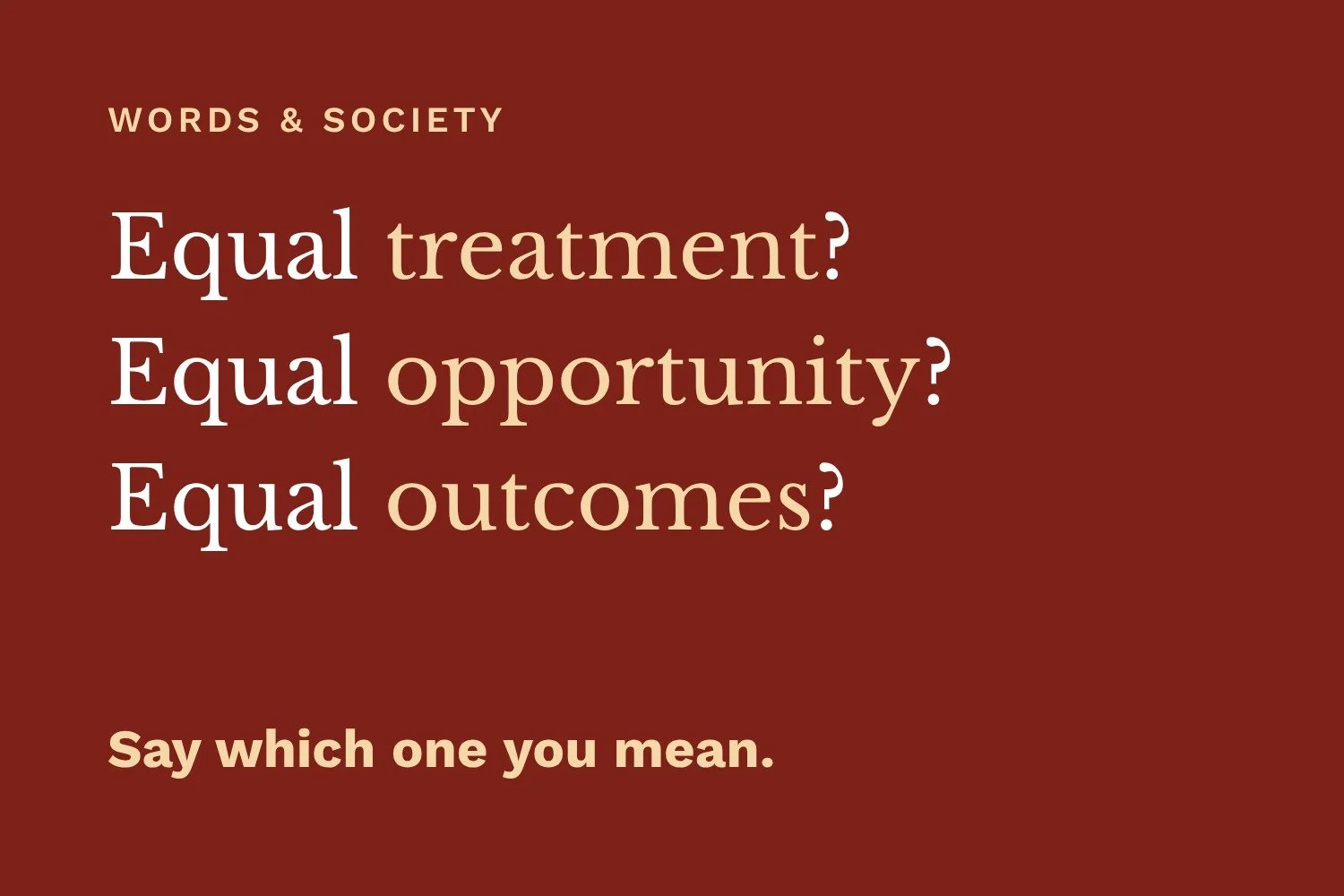
Equal What?
“Equality” and “equity” sound like near-twins, and organisations often use them as if they were. They aren’t, and the argument between them is mostly an argument about a word nobody says out loud.
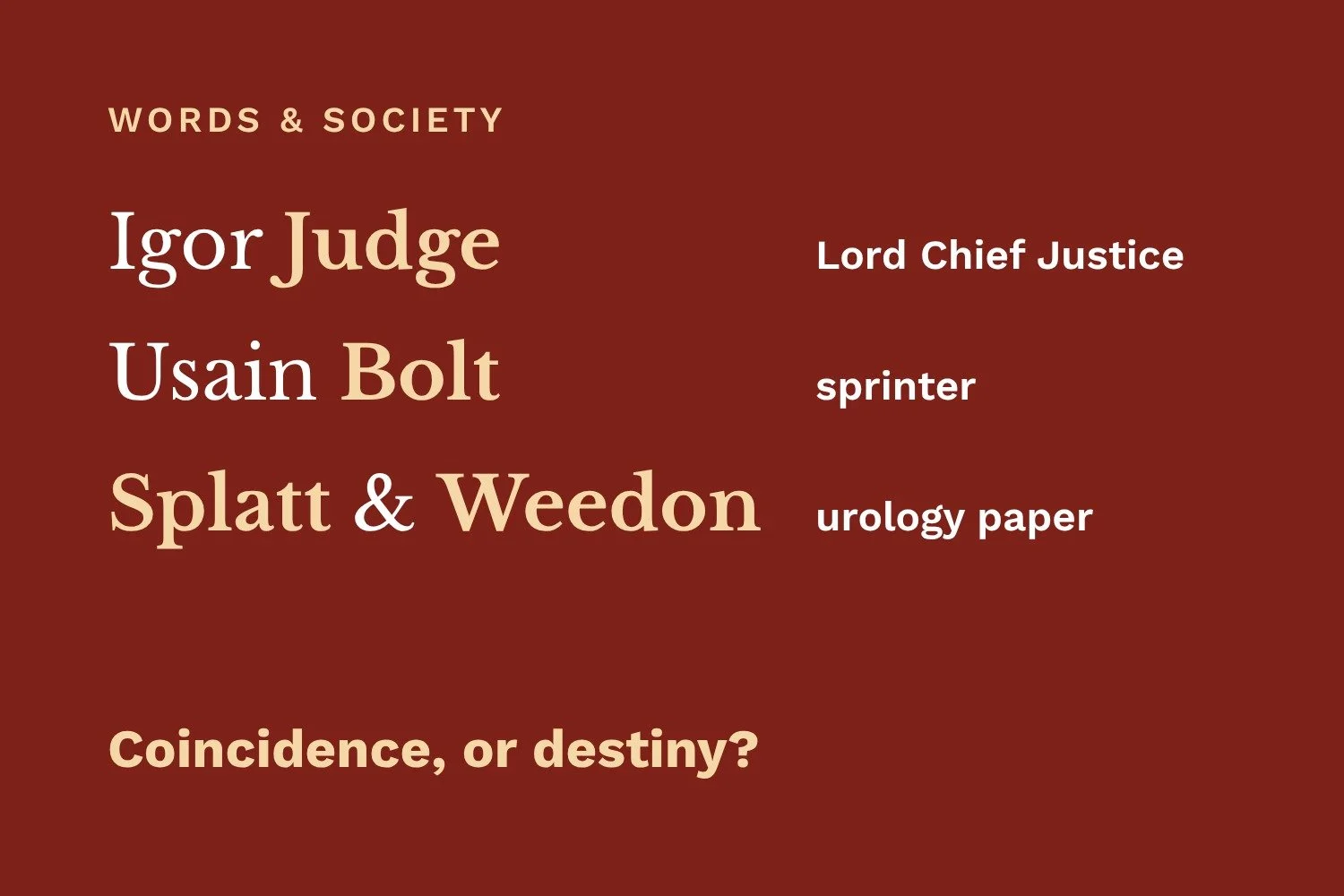
When Your Name Is Your Job
England once had a Lord Chief Justice called Igor Judge. The world’s fastest man is called Bolt. Coincidence, or something stranger?
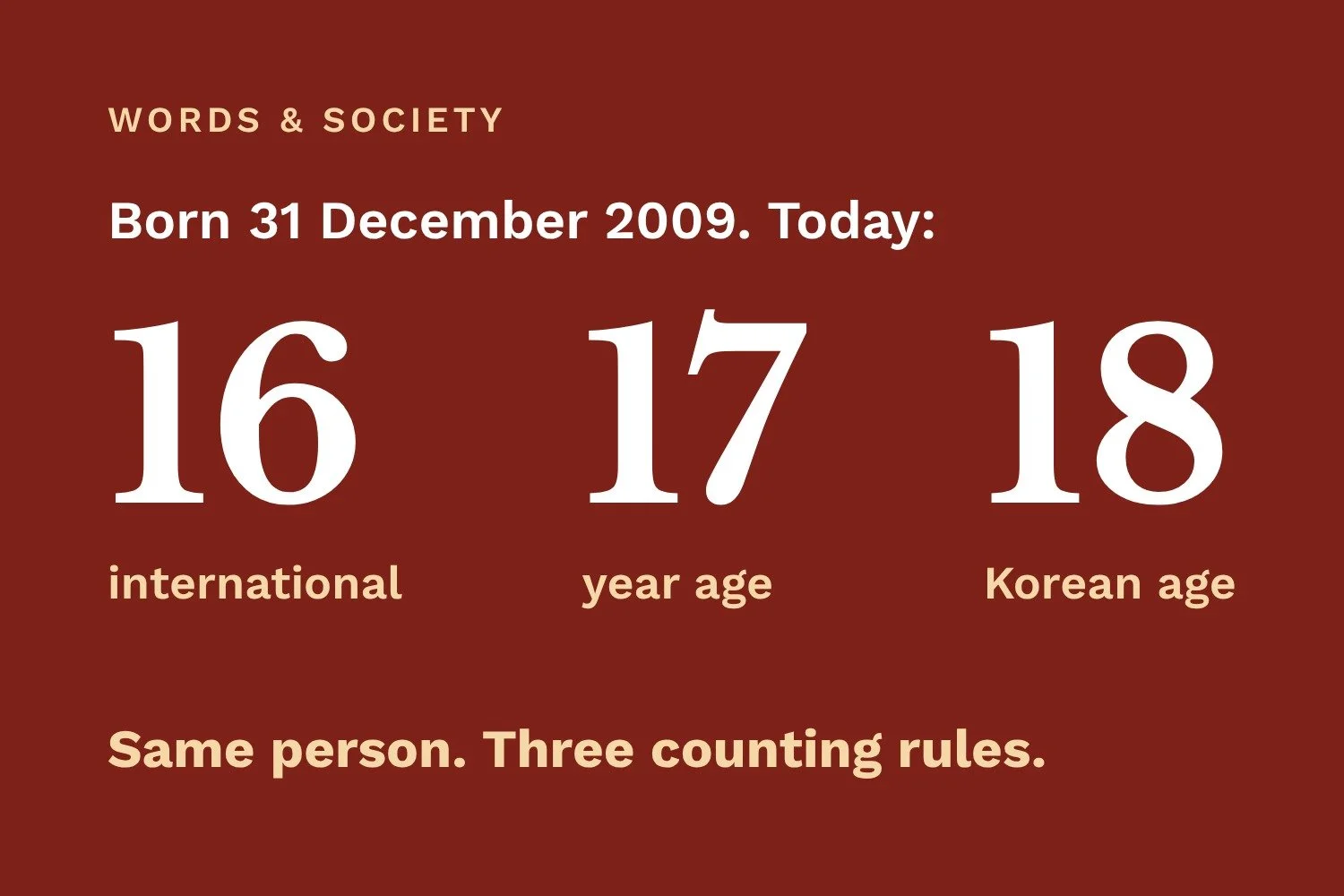
How Old Are You Really?
My youngest son is three different ages, depending on who’s counting. None of them is wrong.
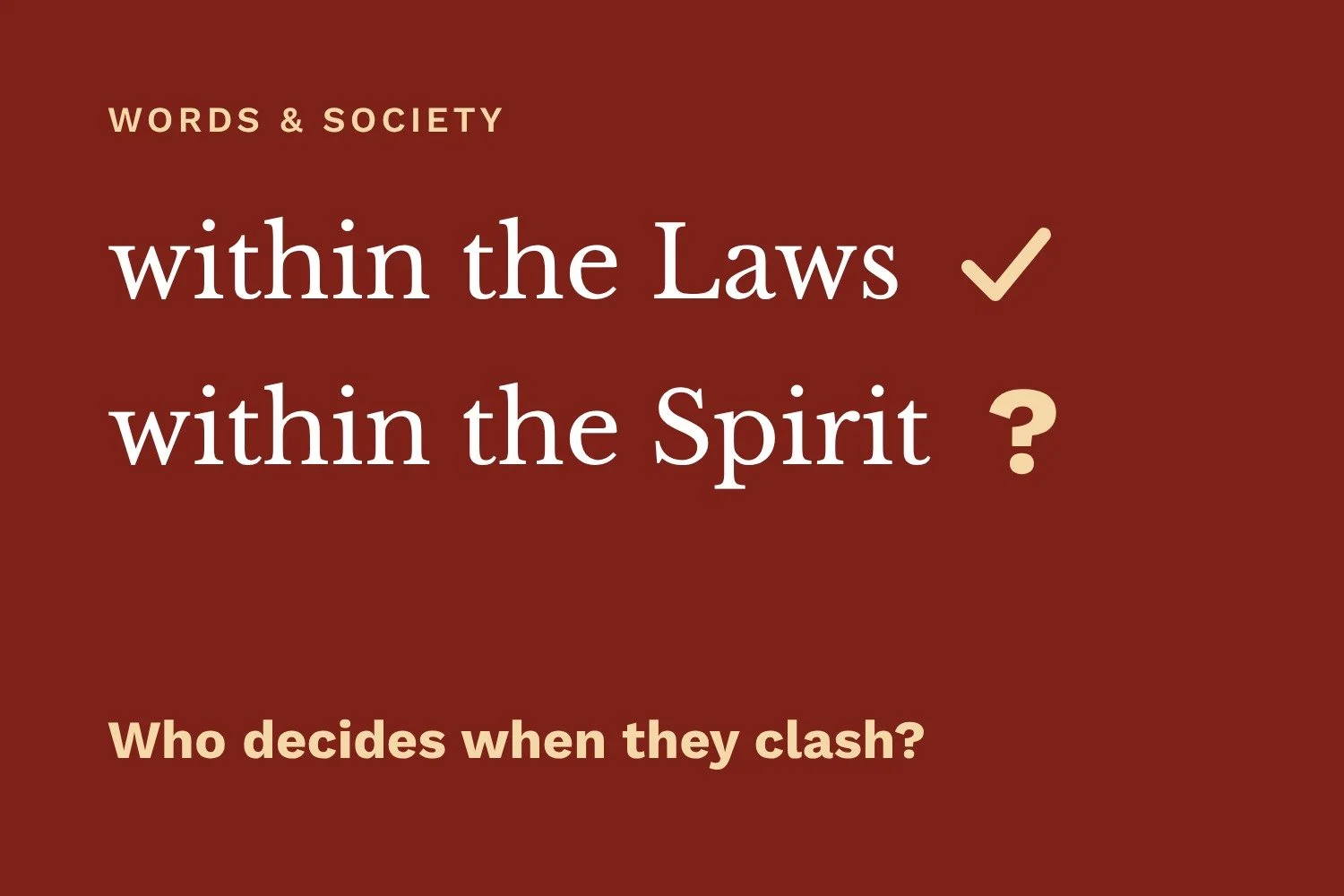
The Letter and The Spirit
Every organisation has rules, and almost every organisation also claims to have “values”. The trouble starts when they disagree, and nobody has said who gets to decide.
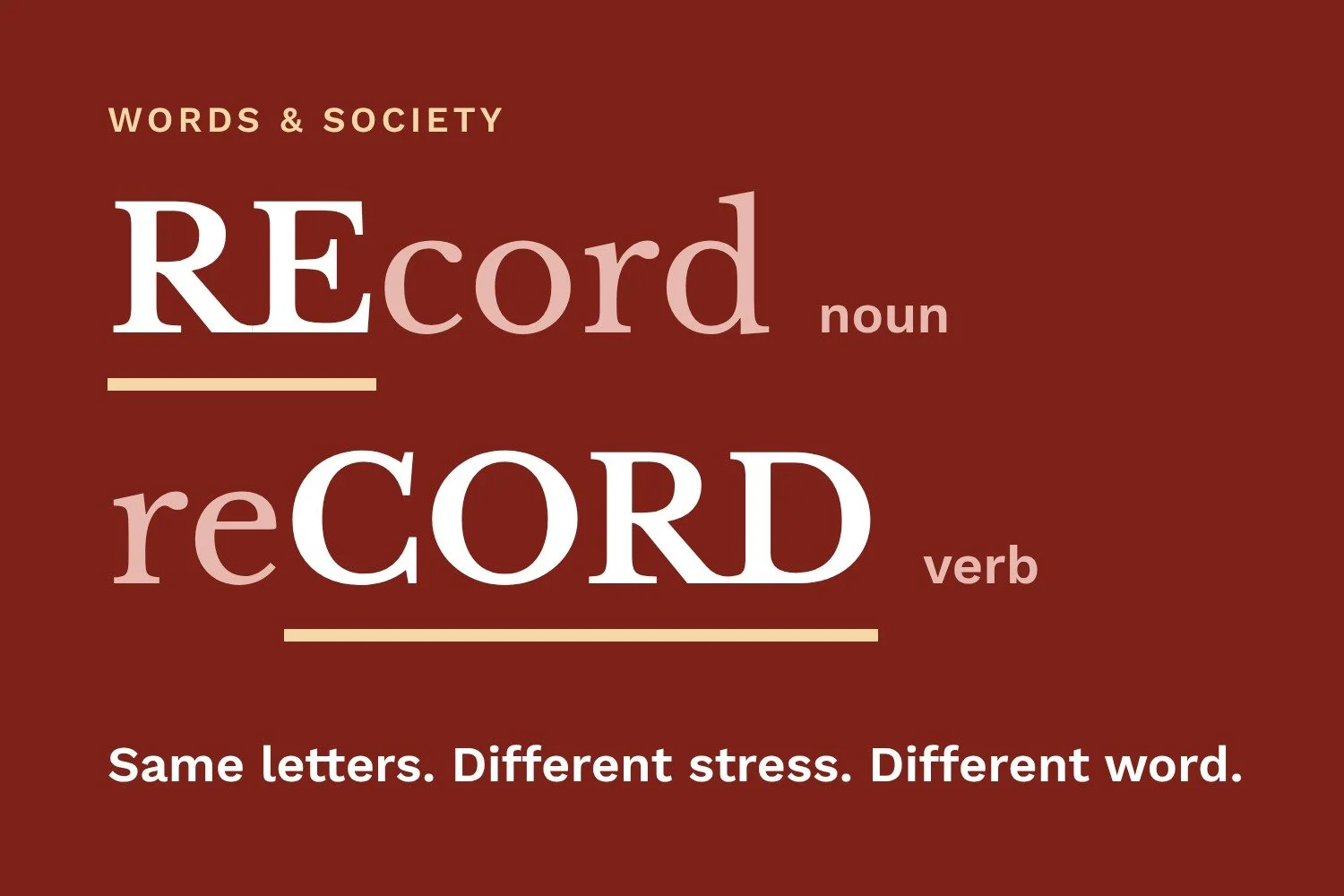
The Stress That Changes Everything
Say “record” two different ways and you’ve said two different words. English hides a whole layer of meaning in where you put the emphasis, and it vanishes the moment you write it down.